


Warm Fall Decorating Ideas for a Cozy, Personal, Welcoming Home
Fall has a way of making a home feel like the best place to be. The light gets softer, the evenings start earlier, and suddenly the rooms that felt fine in July ask for a little more warmth.
The good news is that fall decorating does not need to follow every trend. You do not need a cart full of pumpkins, a new wreath every year, or a color palette that looks like everyone else’s mantel. The most inviting homes feel collected, lived in, and personal. They hold reminders of the season, but they still feel like the people who live there.
That is the heart of good fall style: warmth, comfort, and meaning. A cozy home comes from layers, texture, soft light, useful accessories, and a few seasonal touches that make everyday life feel better.
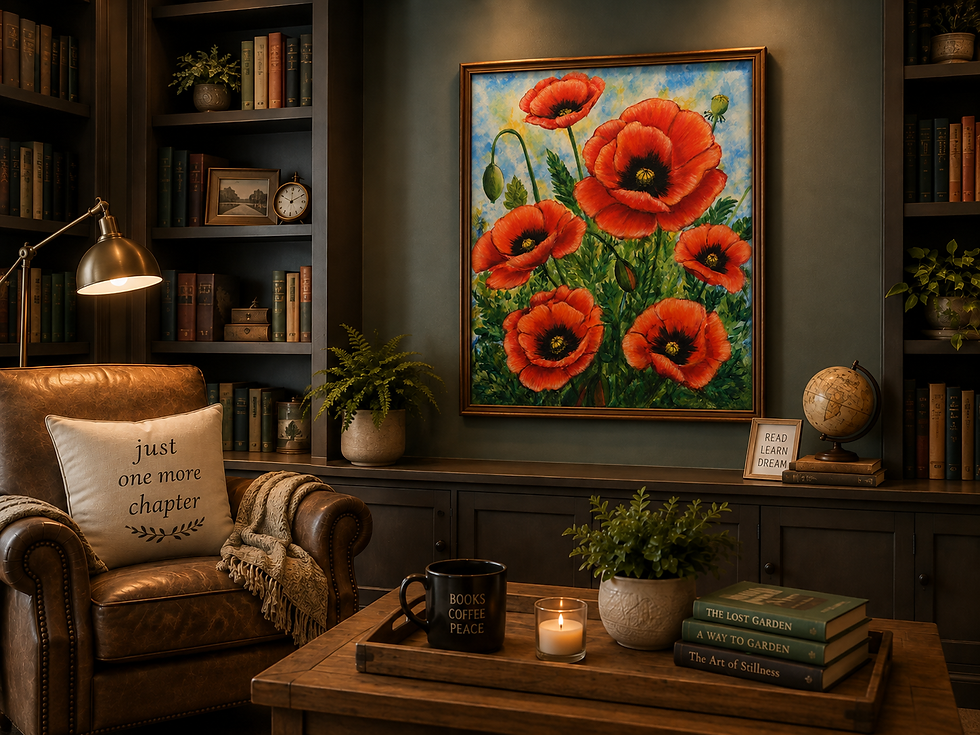
Start with the feeling you want at home
Before changing a single pillow, pause and think about how home should feel during the fall season.
Maybe it should feel calm after a busy day. Maybe it should feel ready for family dinners, football Sundays, quiet reading, or weekend baking. Maybe fall means candles on the counter, soup on the stove, and extra blankets within reach.
This simple step matters because it keeps decorating from turning into shopping. It helps you choose pieces that support real life.
A welcoming fall home often comes down to a few clear feelings:
Warm Use colors, textures, and lighting that soften the room.
Personal Display pieces that tell a story, such as family photos, handmade pottery, travel finds, or inherited items.
Comfortable Keep throws, pillows, trays, baskets, and lamps where they actually get used.
Natural Bring in branches, dried grasses, pinecones, apples, pears, or simple garden clippings.
Unforced Let seasonal decor blend with what you already own instead of taking over the room.
This approach also works for any decorating style. A modern home can feel fall-ready with camel leather, smoky glass, and sculptural branches. A farmhouse space may lean into plaid, wood, stoneware, and woven baskets. A traditional room might feel right with brass candlesticks, wool throws, and deeper accent colors.
The best question is not “What is trending this fall?” Ask, “What would make this room feel good to come home to?”

Build warmth through color and texture
Color is one of the fastest ways to shift a room into fall, but it does not have to mean bright orange everywhere. Fall colors can be soft, deep, earthy, or neutral.
Think beyond the obvious. Try:
Warm cream
Oatmeal
Mushroom gray
Caramel
Chestnut brown
Olive green
Deep plum
Rust
Clay
Mustard
Charcoal
Burnished gold
You can add these colors in small ways. A pillow cover, table runner, throw blanket, lamp shade, or framed print can change the mood without changing the whole room.
Texture does even more work than color. Fall is a tactile season. Rooms feel cozier when they invite touch.
Layer materials that have weight and softness:
Bouclé or sherpa
Chunky knits
Velvet
Washed linen
Wool
Woven seagrass
Rattan
Aged wood
Leather
Stoneware
Matte ceramics
A plain sofa can feel ready for the season with two textured pillows and a throw. A dining table can look warmer with a linen runner and a low bowl of pears. A bed can feel more inviting with a quilt folded at the foot and softer pillowcases.
The trick is to mix finishes. If everything is smooth, the room can feel flat. If everything is heavy, it can feel cluttered. Pair rough with soft, matte with glossy, dark with light.
For example, a woven basket next to a velvet chair adds both storage and texture. A rustic wood tray on a polished counter makes a kitchen feel warmer. A ceramic vase with dried stems adds height and softness to a shelf.
Small changes can carry the whole season.

Let accessories tell your story
Accessories are where a home becomes personal. They fill the space between furniture and feeling.
Fall accessories do not need to look seasonal at first glance. In fact, many of the best ones can stay out long after Thanksgiving. The goal is to choose objects that add warmth, function, memory, or charm.
Think about the pieces you already have before buying anything new. Pull out items that feel rich, handmade, textured, or nostalgic.
Good fall accessories include:
Ceramic bowls and pitchers
Brass or wood candlesticks
Vintage books
Framed family photos
Small landscape paintings
Woven trays
Amber glass bottles
Stoneware mugs
Handmade baskets
Quilts
Wooden beads
Pottery collected over time
These pieces create a layered look because they do not come from one aisle of one store. They look gathered. They make a room feel human.
A mantel might hold a framed photo, two taper candles, a stack of old books, and a small vase of dried grass. A kitchen counter might need only a wood board, a bowl of apples, and a crock of wooden spoons. A bedside table can shift into fall with a warmer lamp bulb, a small candle, and a favorite book.
Use accessories to create little moments around the house. Designers often call these vignettes, but the idea is simple. Group a few related pieces together so they feel intentional.
Try this easy grouping formula:
One taller item, such as a vase, lamp, or branches
One medium item, such as a framed photo or candle
One lower item, such as a bowl, tray, or small stack of books
Odd numbers often look relaxed, but do not treat that as a rule. Balance matters more. If one side feels heavy, move things around until the arrangement feels settled.
Also give your accessories room to breathe. A few meaningful pieces have more impact than a crowded surface. Negative space helps the eye rest, which makes the whole room feel calmer.
Bring the season in with natural elements
Nature gives fall decorating its best materials. Branches, leaves, grasses, fruit, nuts, gourds, and seed pods bring the season indoors in a way that feels easy and timeless.
A few natural touches often look better than a lot of themed decor. They also change beautifully as the weeks pass.
Simple ideas include:
Place clipped branches in a tall vase on an entry table.
Fill a bowl with apples, pears, mini pumpkins, or walnuts.
Add dried hydrangeas to a pitcher.
Tuck eucalyptus into a shelf or centerpiece.
Set pinecones in a shallow dish.
Use wheat or dried grasses in a ceramic vessel.
Add a few small gourds to a tray with candles.
If you have a yard, start there. A fallen branch with interesting shape can become a sculptural centerpiece. Dried flowers from summer planters can look beautiful in a small vase. Even bare stems can add drama.
For a less rustic look, keep the container simple. A smooth white vase, black stoneware bowl, or clear glass hurricane can make natural elements feel clean and current.
Scale matters too. A tiny vase can get lost on a large dining table. A huge branch arrangement can overwhelm a small console. Match the size of the natural element to the surface.
Here are a few pairings that work well:
Small coffee table
Dining table
Entry console
Kitchen island
Bedroom dresser
Low bowl with pears, short candle, small book stack
Linen runner, medium vase with branches, simple taper candles
Tall branches, framed photo, woven tray for keys
Wood board, fruit bowl, crock of utensils
Small vase of dried flowers, lamp, ceramic dish
Natural decor also keeps fall affordable. You can refresh a room with things from the grocery store, farmers market, or your own neighborhood. A $5 bundle of eucalyptus or a bowl of seasonal fruit can do more for a room than a bag full of themed items.

Make lighting softer and more inviting
Lighting may be the most underrated fall decorating tool. As days get shorter, the way a room glows in the evening matters more.
Overhead lighting can feel harsh at night, especially in living rooms and bedrooms. Lamps, candles, and small accent lights create softer pools of light. That makes a room feel warmer and more relaxed.
Use light at different heights:
Table lamps on side tables
Floor lamps near reading chairs
Picture lights or sconces
Candles on mantels or dining tables
Small rechargeable lamps on shelves or counters
String lights used sparingly in a covered porch or sunroom
Warm bulbs make a big difference. Look for bulbs labeled soft white or warm white. They give rooms a golden tone that works well with fall colors and natural materials.
Candles add both light and atmosphere. Unscented tapers work well at dinner because they do not compete with food. Scented candles are better in entryways, bathrooms, and living rooms. Choose scents that feel grounded, such as cedar, clove, apple, vanilla, amber, fig, or smoked wood.
If open flames do not fit your home, flameless candles can still create a beautiful glow. Place them in lanterns, glass hurricanes, or on shelves where you want a soft flicker.
Mirrors can help too. A mirror near a lamp or across from a window reflects light back into the room. This is especially useful in smaller homes, apartments, and rooms that do not get much natural light.
The goal is to create pockets of comfort. A chair with a soft throw and a warm lamp nearby feels like an invitation. A kitchen with under-cabinet lights and a candle on the counter feels calm after dinner. A bedroom with shaded lamps instead of overhead lights feels restful before sleep.
Style the spaces people notice first
Some areas carry more emotional weight than others. If you want your home to feel ready for fall without decorating every corner, focus on the spaces people see and use most.
The entryway sets the tone
The entry is the first welcome. It does not need much.
Try a washable runner, a basket for shoes or scarves, a small lamp, and a vase with branches. If you have a porch, add a sturdy doormat, one planter of mums or ornamental cabbage, and a few pumpkins in varied sizes.
Keep it practical. Fall brings wet shoes, jackets, backpacks, and bags. A pretty entry that cannot handle daily life will not stay pretty for long.
The living room should invite people to stay

The living room is where fall comfort shows up most. Add layers where people sit, reach, and relax.
Place a throw over a chair arm. Keep extra blankets in a basket. Add coasters to the coffee table. Use a tray to gather remotes, candles, and books. Swap one or two pillow covers for heavier fabric.
Do not remove every sign of normal life. A puzzle, a stack of magazines, a dog bed, or a basket of toys can still look warm if the room has a place for them.
The kitchen can feel seasonal without clutter
Kitchens work hard, so fall decor should stay useful. Focus on items that support cooking, gathering, and everyday routines.
A bowl of apples, a crock of wooden spoons, a linen towel, or a small lamp on the counter can add warmth without getting in the way. If you bake in the fall, display a favorite mixing bowl or cutting board. If you make coffee or tea, set up a simple tray with mugs, honey, and cinnamon sticks.
The bedroom deserves fall warmth too
Fall decorating often stops in shared spaces, but the bedroom may benefit most from a seasonal shift.
Change the weight of the bedding, add a quilt, or place a soft rug beside the bed. Swap bright summer pillowcases for warmer tones. Add a small vase, a book, and a shaded lamp to the nightstand.
A cozy bedroom does not need many accessories. It needs softness, calm, and surfaces that are not overloaded.

Edit what you own before buying more
A personal fall home rarely comes from buying everything new. It often comes from looking at what you already have with fresh eyes.
Before shopping, gather possible fall pieces in one place. Pull from closets, cabinets, storage bins, and other rooms. Include throws, pillows, vases, books, trays, candles, baskets, art, and serving pieces.
Then sort them into three groups:
Pieces you love and use
Pieces that still fit your home but need a better spot
Pieces you keep out of habit
This makes decorating easier. You may discover that a vase from the bedroom looks perfect on the mantel, or that an old quilt belongs over the back of the sofa. A serving board can become a kitchen accent. A basket from the laundry room can hold living room blankets.
When you do buy something, choose accessories with staying power. A beautiful lamp, wool throw, ceramic bowl, or woven basket will serve you for years. These pieces can move from room to room and season to season.
Try to avoid buying decor that only works for a few weeks unless you truly love it. A pumpkin-shaped object may be fun, but a rust-colored pillow can work from September through winter. A plaid throw may feel right for fall and still look cozy in January. A wood tray works all year.
A good rule is to ask whether the item adds one of these things:
Comfort
Function
Texture
Warmth
Memory
Beauty you will still enjoy next year
If it does, it has a better chance of becoming part of your home instead of another thing to store.
Let your home feel lived in
The most welcoming fall homes have a little looseness to them. They are tidy enough to feel peaceful, but not so perfect that people feel afraid to sit down.
A blanket can be folded casually. A candle can sit next to a half-read book. A bowl of apples can slowly become dessert. A pair of boots by the door can be part of the season.
That lived-in feeling is not mess. It is evidence of real life. It tells guests they can relax. It tells the people who live there that the house supports them, rather than asking them to perform.
Decorating for fall should make daily moments better. Coffee in the morning. Dinner at the table. Reading under a blanket. Coming home after dark. Lighting a candle while the kitchen gets cleaned.
Trends can offer ideas, but they should not make the rules. Choose the colors, textures, scents, and accessories that feel like home to you. Keep what has meaning. Add what brings comfort. Let nature do some of the work.
A cozy, personal, welcoming home is built in layers, one thoughtful choice at a time. This fall, start with one room, one surface, or one corner. Make it warmer, make it useful, and make it yours.


Comments